

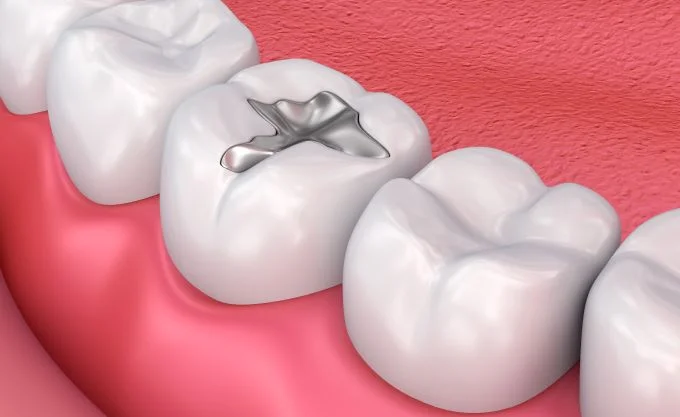
When you have a cavity, your dentist will likely recommend a dental filling to restore your tooth and prevent further damage. But did you know there are different types of dental fillings? Each type comes with its own pros and cons, depending on factors like durability, appearance, and cost.
In this blog, we’ll talk about the most common types of dental fillings so you can understand your options.
Why Are Dental Fillings Needed?
Before we discuss each type of dental filling in detail, let’s quickly understand why fillings are needed.
When tooth decay sets in, it creates small holes (cavities) in the enamel. If left untreated, the decay can spread deeper, leading to pain, infection, or even tooth loss.
A dental filling seals the cavity, stopping decay and restoring the tooth’s function. The right type of filling depends on the location of the cavity, your budget, and your preference for aesthetics.
The 5 Main Types of Dental Fillings
Here are the five main types of dental fillings, along with their pros and cons:
Amalgam Fillings (Silver Fillings)
Amalgam fillings have been used for over a century and are known for their strength. They’re made from a mix of metals, including silver, mercury, tin, and copper.
Pros:
- Extremely durable, often lasting 10 to 15 years
- Less expensive than other options
- Strong enough for large cavities in back teeth
Cons:
- Silver color makes them noticeable
- Contains mercury (though the FDA considers it safe)
- Requires more tooth structure removal than other fillings
Gold Fillings
Gold fillings are custom-made in a lab and then cemented into place. While not as common today, they’re still used in some cases.
Pros:
- Very durable, lasting 15+ years
- Doesn’t corrode
- Stronger than amalgam
Cons:
- Expensive
- Requires multiple dental visits
- Stands out aesthetically
Ceramic Fillings (Porcelain Fillings)
Ceramic fillings, often called inlays or onlays, are made from porcelain and are a popular choice for those who want a natural look.
Pros:
- Matches the natural tooth color
- Resistant to staining
- Long-lasting (up to 15 years)
Cons:
- More expensive than composite
- Requires multiple visits
- Can be brittle compared to metal fillings
Glass Ionomer Fillings
These fillings are made from a mix of acrylic and glass and are often used for children or temporary fillings.
Pros:
- Releases fluoride, helping prevent further decay
- Bonds well with the tooth
- Good for non-chewing surfaces
Cons:
- Lasts about 5 years only
- Not as strong as other options
- Prone to wear and tear
Composite Fillings (Tooth-Colored Fillings)
Composite fillings are made from a resin material that blends perfectly with your natural teeth. They’re a preferred choice for patients who want a strong, natural-looking solution.
Pros:
- Matches tooth color for a discreet look
- Bonds directly to the tooth, requiring less removal of healthy enamel
- Works well for small to medium cavities
- Can be completed in a single visit
Cons:
- Slightly more expensive than amalgam
- May not last as long in high-pressure areas (like molars)
In the Final Analysis
While all fillings have their place, composite fillings stand out for their balance of aesthetics and functionality. They’re especially great for visible teeth since they blend in naturally. And because they bond directly to the tooth, they help preserve more of your natural structure.
At Safari Family Dental & Orthodontics, we prefer composite fillings because they provide a strong, natural-looking solution that keeps your smile intact. If you’re due for a filling, we’d be happy to discuss whether composite fillings are the right choice for you. Contact us today to book your appointment!